How to Use Pencil Marks in Sudoku (Without Drowning in Them)
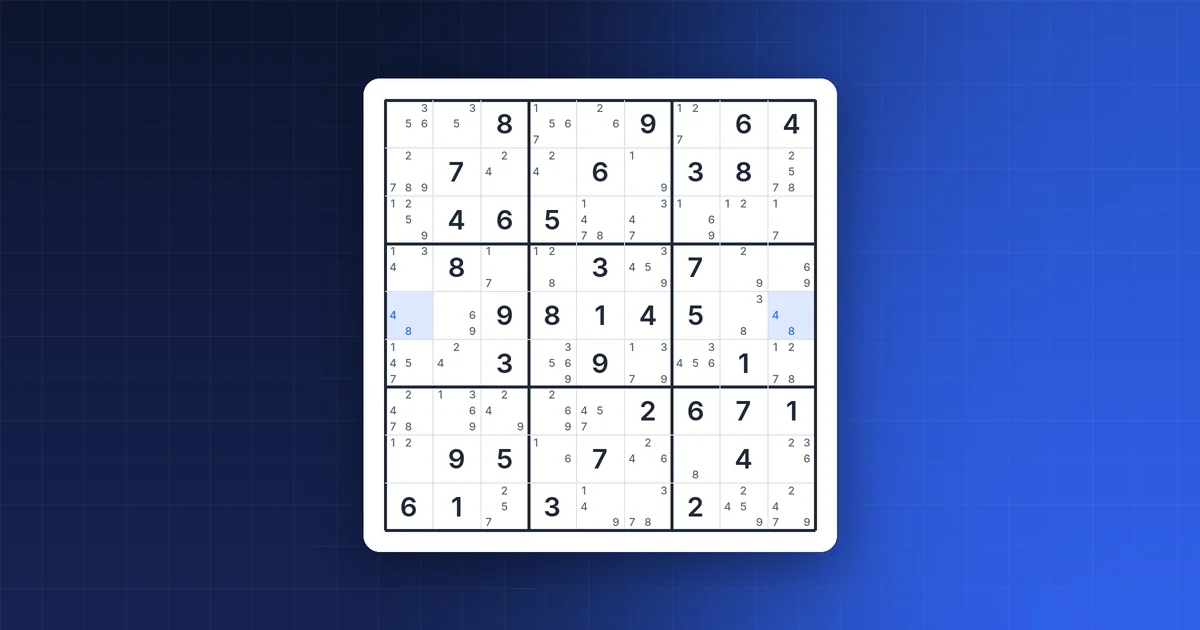
Pencil marks turn a stuck Sudoku into a solvable one — if you use them well. When to start noting candidates, how to keep them clean, and what patterns they reveal.
Sooner or later every Sudoku player hits a wall: no single cell is obvious, and staring at the grid stops helping. Pencil marks — small notes of the digits a cell could still hold — are the tool that gets you past that wall. Used badly, they turn the board into a blur of tiny numbers. Used well, they make hidden patterns jump out.
What a pencil mark really says
A pencil mark is a promise you make to yourself: this digit has not been ruled out here yet. It does not mean the digit is likely, only that nothing on the board forbids it. That distinction matters. The moment a mark no longer reflects the board, it stops being useful and starts leading you astray.
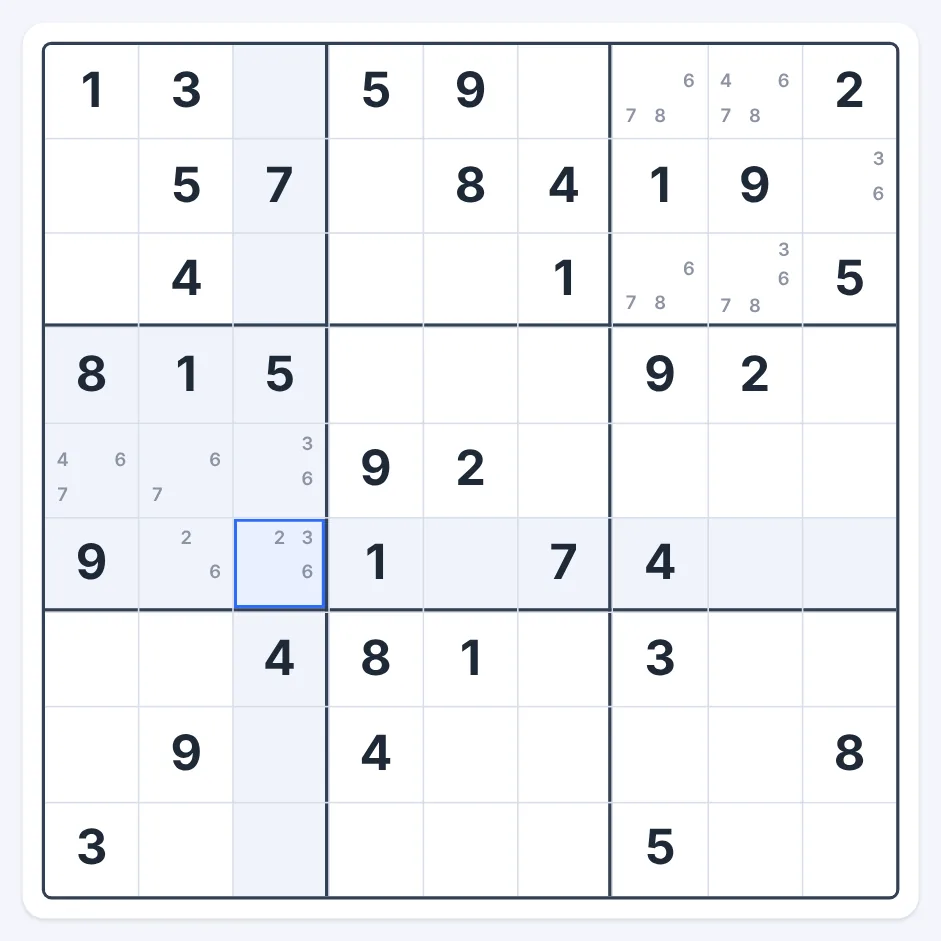
Most players write marks in a fixed position inside the cell: 1 in the top-left corner, 5 in the centre, 9 in the bottom-right. With that habit, your eye can compare cells at a glance — you spot every cell that still allows a 7 without reading each note.
When to start writing them
On easy puzzles you may never need them: naked and hidden singles carry you to the end. A good rule is to solve with singles until they run out, then add marks. Starting too early fills the grid with candidates that a single placement would have removed anyway.
There are two ways to begin. Full marking means noting every candidate in every empty cell, which is slow but thorough. Targeted marking means noting candidates only where they are few — cells with two or three options, or a digit that fits in just two places in a box. Many experienced solvers mix the two: targeted marks in the middle game, full marks when the puzzle gets truly hard.
Keep them clean
Out-of-date marks are the most common cause of wrong answers. Every time you place a digit, remove that digit from the notes of every cell in the same row, column and box. On vSudoku this happens automatically when you place a number, but on paper it is your job, and it is worth doing at once rather than later.
- After a placement, clear that digit from the cell's row, column and box straight away.
- When a technique removes a candidate, erase it immediately — do not plan to remember.
- If you suspect your notes are wrong, rebuild them for one box or line instead of trusting them.
Patterns that only notes reveal
Pencil marks are not just bookkeeping; they make whole families of techniques visible. A cell with a single mark is a naked single. Two cells in a row that both read {4,8} are a naked pair, and the 4 and 8 can go from the rest of the row. A digit whose marks in a box all sit on one line is a pointing pair. None of these can be seen without notes, which is why harder levels expect you to use them.
Our technique library walks through each of these patterns on a real board with its pencil marks, in the order it is worth learning them.
Pencil marks on vSudoku
- Press the Notes button, or N on a keyboard, to switch between placing digits and writing marks.
- Tap a digit again in notes mode to remove that mark.
- Placing a digit tidies the notes of every cell that can see it.
- When you ask for a hint, the explanation highlights the cells involved, so you can check your marks against it.
The takeaway
Start with singles, add marks when singles dry up, and keep every mark honest. Do that, and a grid that felt impossible usually turns out to need just one pattern you could not see before.
Ready to put this into practice?
Open a fresh puzzle and try it out — no sign-up, just play.
Play Sudoku nowKeep reading

Building a Daily Sudoku Habit That Actually Sticks
A short daily puzzle does more for your solving than an occasional marathon. Here is how to build a Sudoku habit that lasts, and why consistency beats intensity.
Sudoku for Kids: A Gentle Way to Build Logic
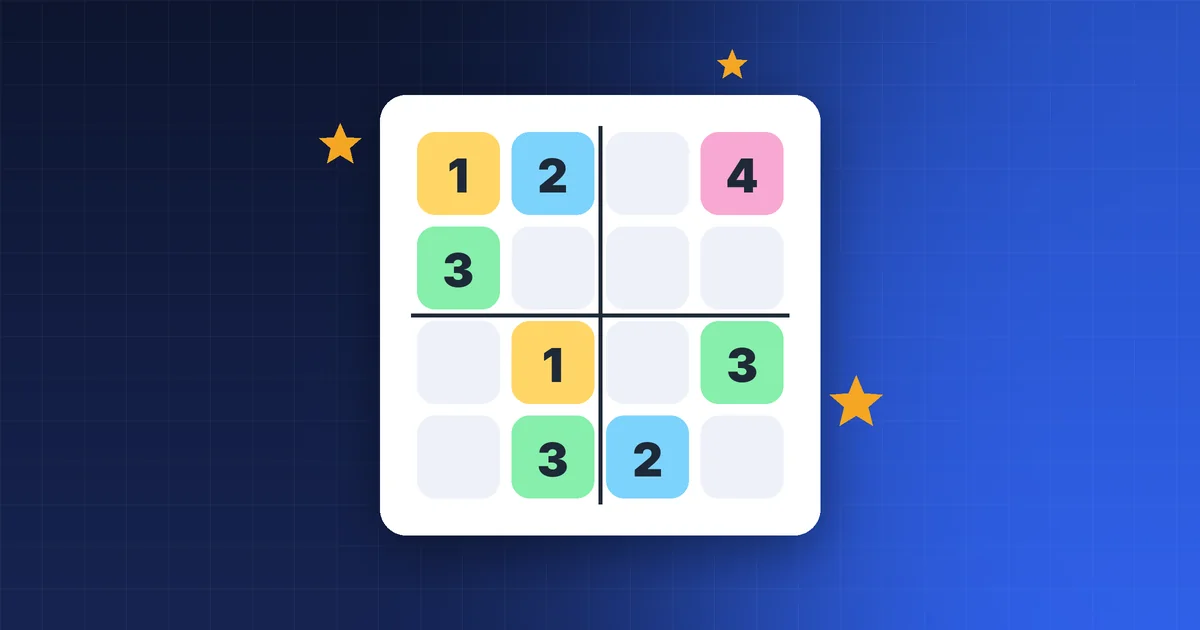
Sudoku is one of the best low-pressure ways for children to practise patience and reasoning. Here is how to introduce it so it stays fun rather than frustrating.
7 Common Sudoku Mistakes Beginners Make (and How to Fix Them)
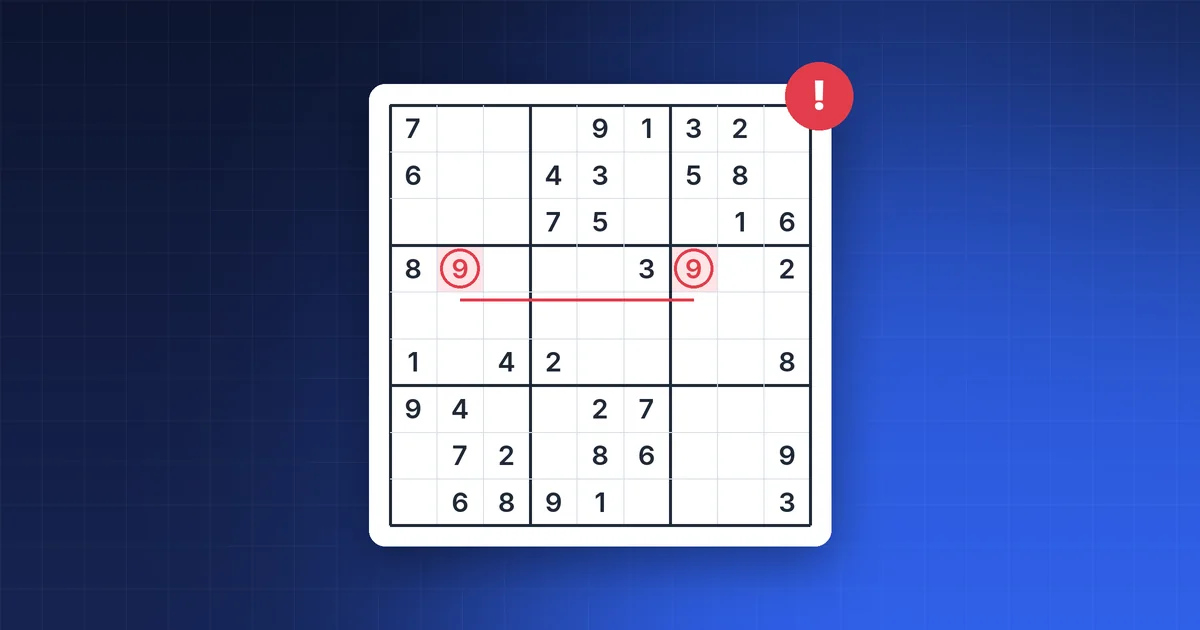
Most early frustration with Sudoku comes from a few avoidable habits. Here are the seven mistakes new players make most often, each with a simple fix.